National Network of Urgent Care Centers
Terem treats around one million patients yearly at 25 locations, 7 days a week, using a unique and innovative model for various urgent medical cases.


Who We Are
-
Service-Oriented
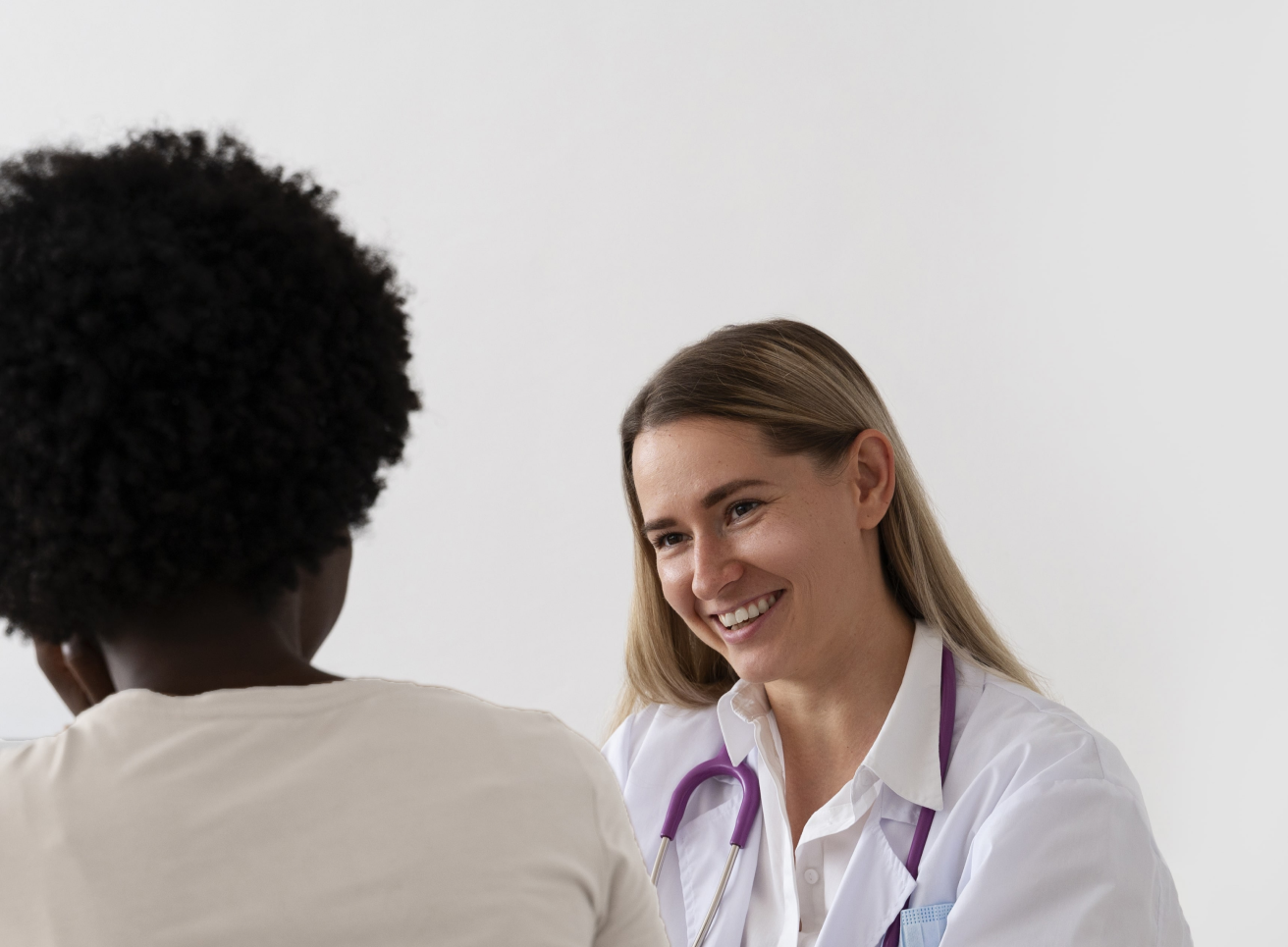
We believe in a personalized approach focused on listening to patients, ensuring high-quality care and comfort. This personal touch allows us to provide compassionate, efficient medical care.
01 -
Professionalism
A unique combination of quick responses with short wait times, professional medical procedures, advanced lab tests, and treatment, all under one roof at the highest standards.
02 -
Revolutionary
Our centers revolutionized urgent medical services in the country, offering fast, accessible care that reduces ER visits by up to 40% and eases hospital overcrowding.
03 -
Committed
Terem is dedicated to technological excellence and medical innovation. We use the most advanced equipment and implement new technologies to ensure precise, fast, and efficient care for every patient.
04 -
Personalized Care
We operate with a sense of mission and mutual respect, honoring patients' traditions and religious needs. We provide professional service while respecting and preserving the Sabbath.
05 -
Collaboration
Terem has agreements with all Kupot Cholim, allowing for affordable treatment. The doctor community has secure access to medical information, ensuring confidentiality and strict data security standards.
06
Our Vision
Lead community emergency medicine, make public healthcare accessible, reduce hospital loads, and save time and money for the health system.
Organizational Values


Excellence
We strive for excellence and continually seek ways to improve care quality and patient health.

Professionalism
We believe in professional development and therefore provide ongoing training to all our staff.
Teamwork
We work collaboratively to ensure every patient benefits from our best capabilities.

Diversity
We welcome people from diverse backgrounds to gain broad perspectives and encourage creativity and innovation.
Innovation
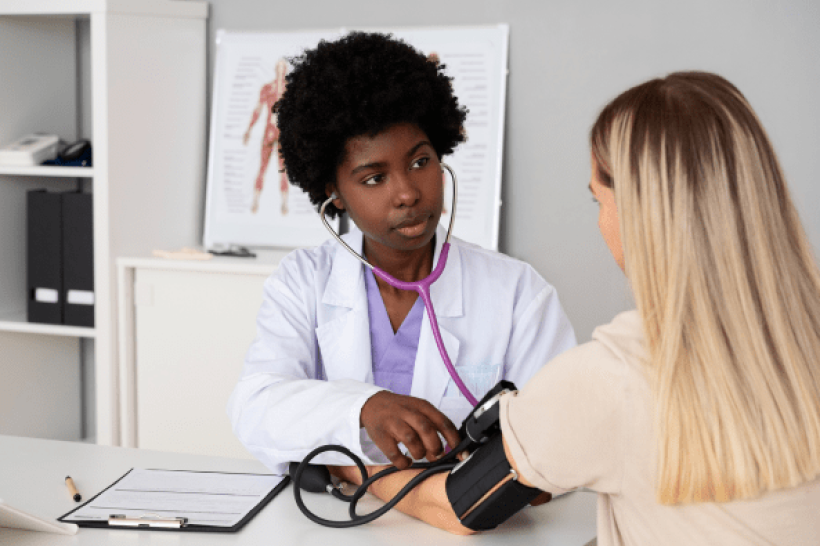
We develop medical technology innovations to improve treatment, strengthen Kupot Cholim ties, and reduce wait times.
Senior Management
Prof. Nissim Alon
Chairman of the Board


Natan Appelbaum
CEO
Daniel Schwarzman
CFO
Dr. David Zlotnick, CCFP-EM
Chief Medical Office
Dr. Gabriel Polliack, MHA
VP of Strategic Development
Tzur Admon
VP of Projects and Technology
Galit Tzafrir
COO
Dr. Amir Rubin
Medical Director of the Orthopedic Department
Dr. Lior Porat
Medical Director of the Imaging Department
Daniel Lipczer
Head of Medical Workforce
Yehudit Kitsberg
Head of Paramedical Staff
Yeru Shoshan
Head of the Imaging System
Batya Greenwald
Head of Information Systems (IT)
Emma Azaria
Marketing Director
Orel Ben Ari
Recruitment Manager
How It All Began
Who founded Terem? And how, despite a severe tragedy, Terem continues to grow every year?

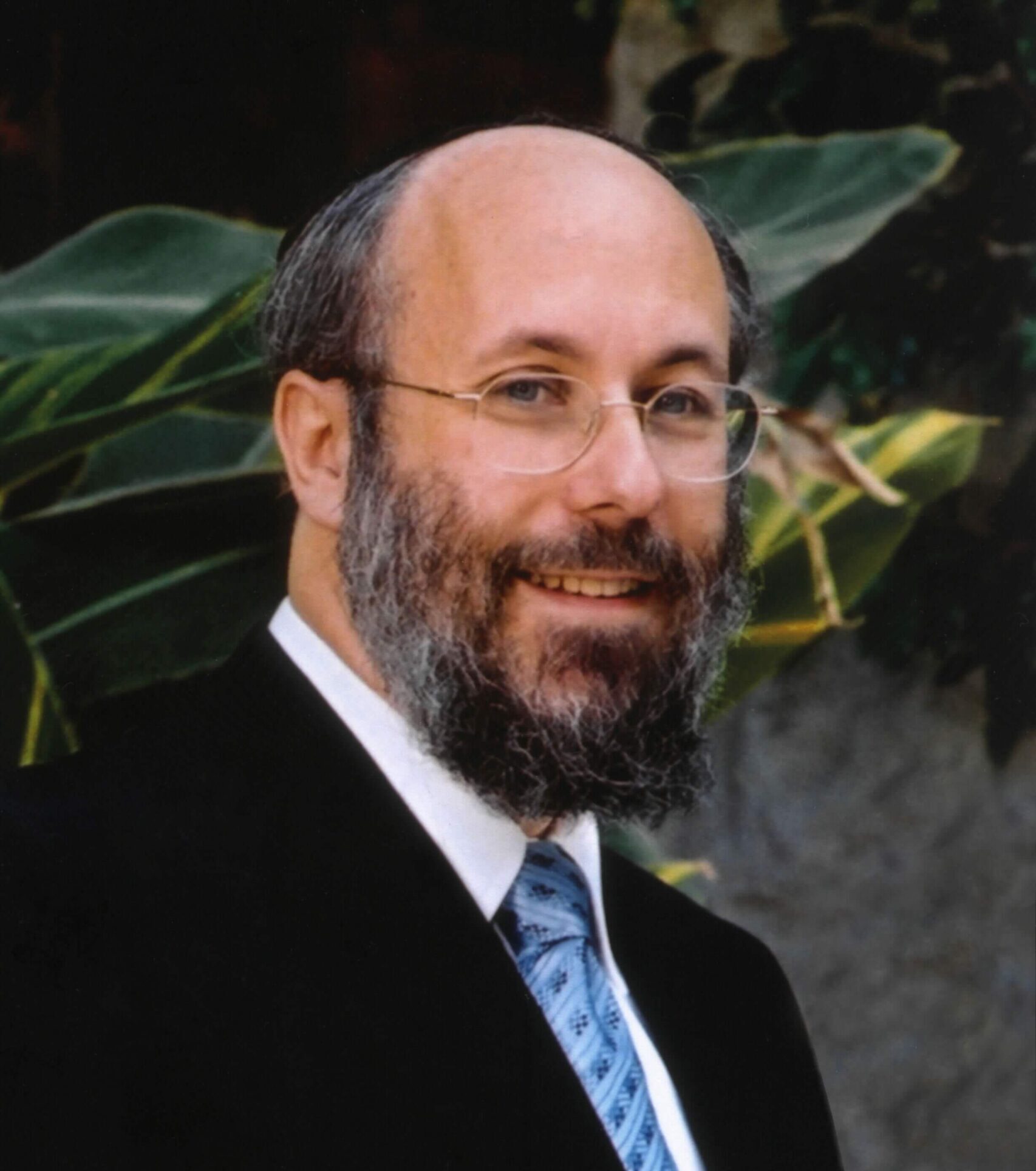
The Founder
Every great idea starts with a visionary. Rabbi Dr. David Appelbaum, former ER director at Shaare Zedek and head of Jerusalem's mobile intensive care units, noticed the ER overload and proposed a brilliant solution: creating an alternative for non-life-threatening cases that don't require hospitalization.
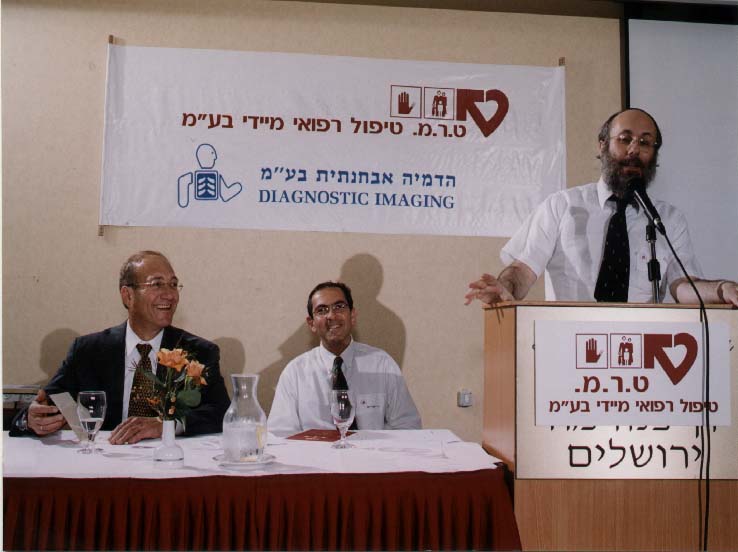
Establishing Terem
In 1989, Dr. Appelbaum, with Dr. Yosef Jamal, Dr. Michael Baum, and other partners, opened the Terem Center in Romema, Jerusalem. Word spread quickly, and thousands sought care for various medical issues— from injuries and pains to chronic diseases and terror attack victims.
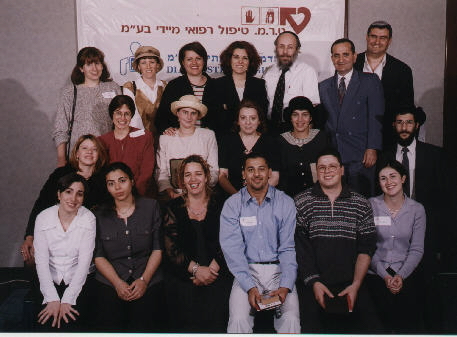
Expanding Terem
In the following years, Terem expanded, opening new centers in Jerusalem and surrounding areas like Ma'ale Adumim, Modiin, and Beit Shemesh. It also established a primary and family care center in Jerusalem, solidifying its role as a go-to for various medical needs when health funds are closed.
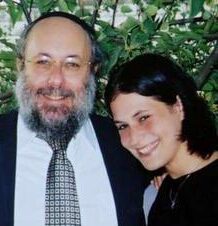
Tragedy
On September 9, 2003, tragedy struck the Terem family. The beloved founder, Dr. Appelbaum, and his daughter Nava were killed in a suicide bombing at Café Hillel in Jerusalem, the day before Nava's wedding. Dr. Appelbaum, an expert in mass casualty events, tragically became a victim of one.
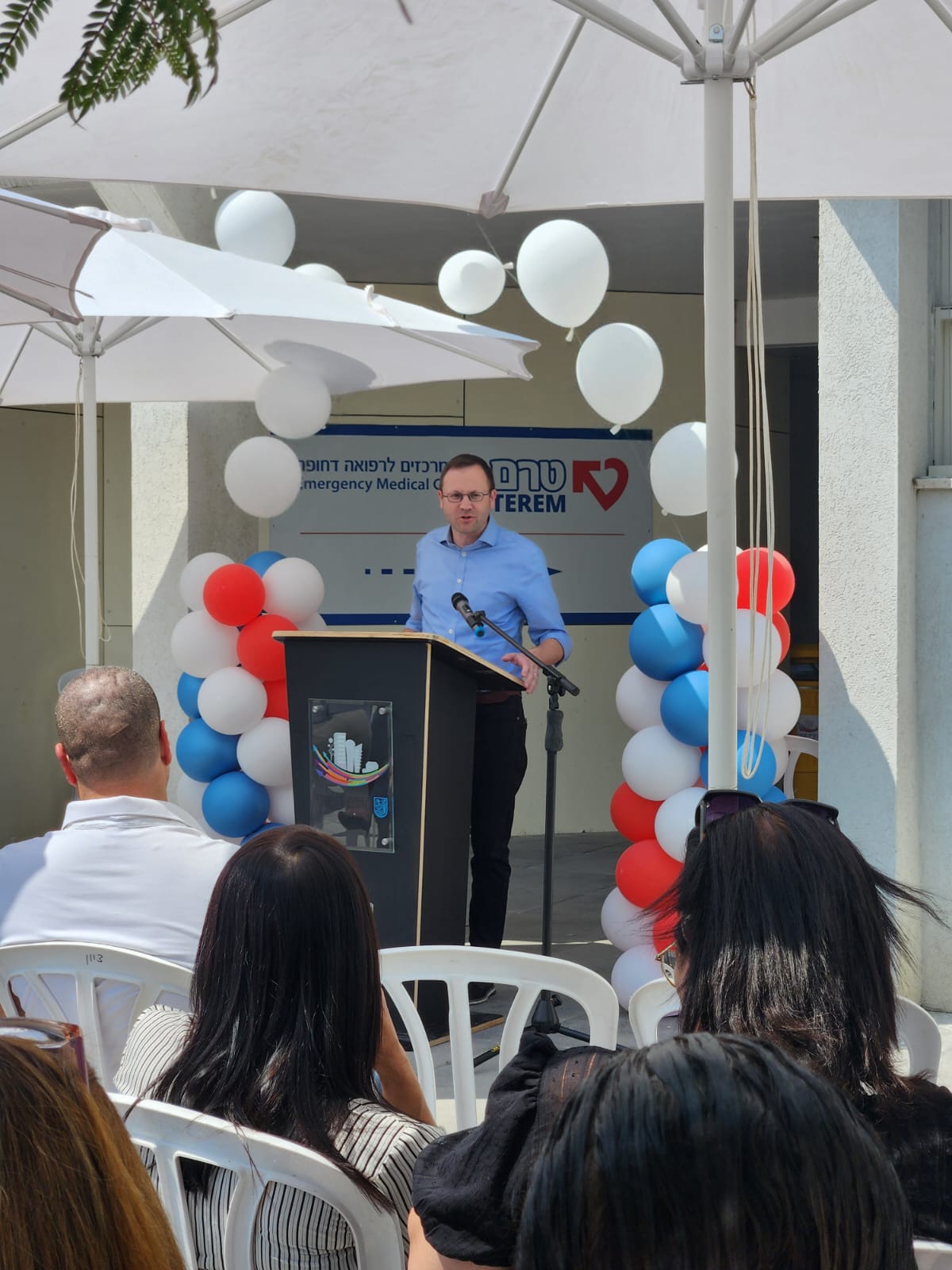
Continuing the Legacy
Despite the immense pain, the founding partners and senior management continued to develop the Terem centers, staying true to Dr. Appelbaum's medical legacy. New centers opened in and outside Jerusalem, existing centers moved to new facilities, operating hours expanded, and services increased. Today, we handle nearly 1,000,000 medical visits annually.
Terem’s Achievements
Terem leads in providing professional emergency medical care. One of Terem’s greatest successes is in reducing visits to public emergency rooms in Israel and its technological capabilities.
“A 2009 Ministry of Health study in Jerusalem shows Terem’s impact on reducing ER visits in Jerusalem due to its extensive network. Since then, Terem has achieved similar results in other regions, consistently alleviating ER burdens wherever it operates, demonstrating its ongoing effectiveness in reducing hospital loads.”
Source: Ministry of Health’s Emergency Room Visits Report 2009, adjusted for age and visits to ERs in East Jerusalem.